
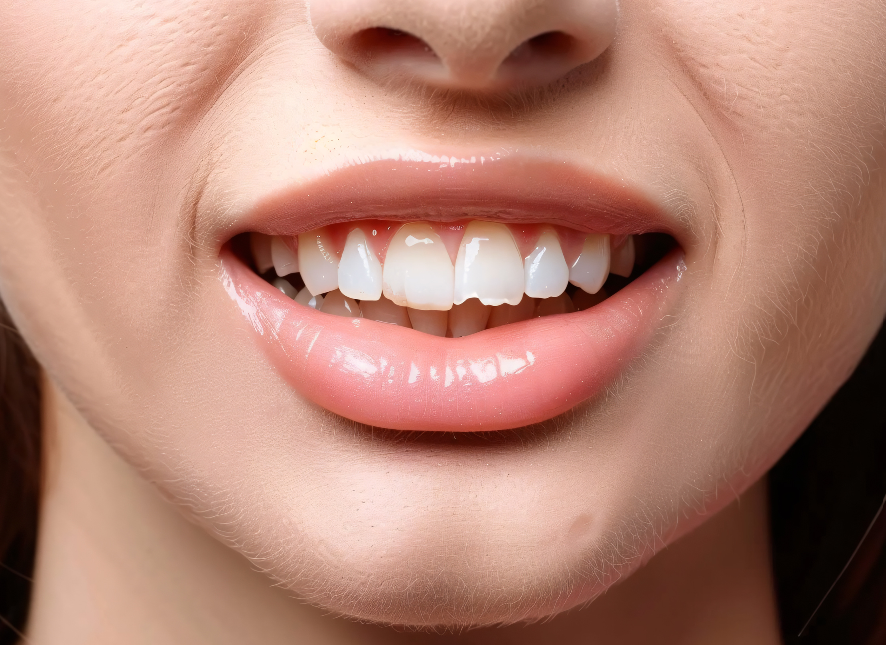
Chipping or breaking a tooth can happen in an instant—whether from a fall, sports activity, or biting down on something hard. While it can be alarming, staying calm and taking the right steps immediately can make a big difference in preserving your tooth and preventing further complications.
So, don’t panic. Take a breath. Here’s what to do if you chip a tooth.
Assess the Damage
First, take a careful look at the tooth. Determine if the chip is small and only affects the enamel, or if it’s larger and involves deeper layers of the tooth, such as the dentin or pulp. Small chips may only cause cosmetic concerns or mild sensitivity, while larger chips can lead to sharp edges, pain, or even exposure of the inner tooth structure.
If pieces of the tooth have broken off, collect them and bring them with you to your dental appointment, as sometimes they can be reattached.
Rinse and Protect the Area
Gently rinse your mouth with warm water to remove debris and clean the affected area. If the chipped tooth has sharp edges that are cutting your tongue or cheek, you can cover it temporarily with dental wax or sugarless gum to prevent injury. Avoid applying toothpaste or attempting to fix the tooth yourself.
Manage Pain and Sensitivity
Mild pain or swelling can occur after chipping a tooth. Over-the-counter pain relievers can help reduce discomfort. A cold compress applied to the outside of your cheek can help control swelling if there’s been trauma to the mouth or surrounding tissues.
Avoid chewing on the affected side, and stick to soft foods until your dentist evaluates the tooth.
Contact Your Dentist Immediately
Even if the damage seems minor, it’s important to call your dentist as soon as possible. Prompt evaluation ensures that the tooth is not at risk of infection, further fracture, or damage to surrounding teeth. Early treatment also improves the likelihood of restoring the tooth successfully.
Treatments depending on the severity of the chip, including:
- Dental bonding for small chips, which restores shape and color quickly.
- Porcelain veneers for cosmetic and structural improvements.
- Crowns for larger fractures that require full coverage to protect the tooth.
- Emergency care for pain, bleeding, or severe fractures.
The right treatment will depend on the location and size of the chip, as well as your long-term dental goals.
Prevention and Follow-Up
After treatment, following good oral hygiene and avoiding hard foods can help prevent future chips. If your tooth was damaged due to sports or physical activity, consider wearing a mouthguard to protect your teeth from future injuries.
Quick action and professional care are the best ways to restore your tooth and protect your smile.
About the Practice
At Waterford Pediatrics and Orthodontics, our knowledgeable dental team provides compassionate emergency dental care for children and teens. From minor chips to more serious fractures, we offer personalized treatment to restore function and appearance while ensuring patient comfort. Our expertise includes bonding, veneers, crowns, and comprehensive pediatric emergency dentistry.
Call us at (925) 803-6880 or schedule your appointment online.